With the growing demand for safe grain storage and efficient agricultural infrastructure, grain silos have become an essential investment for farmers, food processing industries, grain traders, and agro-based businesses. Proper grain storage helps protect crops from moisture, pests, fungi, spoilage, and weather damage while maintaining grain quality for a longer period.
Before planning a grain storage project, one of the first questions businesses and farmers ask is: How much does it cost to build a grain silo? The overall cost of constructing a grain silo depends on several important factors, including storage capacity, silo material quality, structural design type, automation features, installation requirements, and additional grain handling equipment.
Modern grain silos are designed to improve storage efficiency, reduce grain wastage, and support long-term agricultural productivity. TSI Steels provide high-quality grain silo solutions designed for durability, efficiency, and large-scale grain storage applications.
Average Cost of Building a Grain Silo
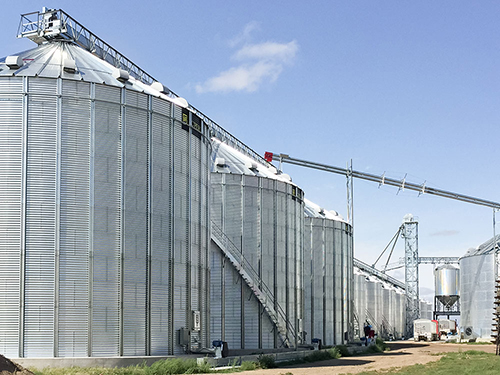
Grain silos are available in different designs, sizes, and material specifications, making them suitable for agricultural and industrial applications for storing bulk materials safely and efficiently. These silos are widely used for storing wheat, rice, maize, corn, seeds, animal feed, and other grains while protecting them from moisture, pests, and environmental damage. The cost of building a grain silo in India mainly depends on the required storage capacity, silo design, steel quality, automation features, and overall project requirements.
Estimated Grain Silo Cost Range
- Small Grain Silos: ₹5 lakh to ₹20 lakh
- Medium Capacity Grain Silos: ₹20 lakh to ₹1 crore
- Large Industrial Grain Silos: ₹1 crore to ₹10 crore or more
The final project cost varies depending on customization, automation systems, civil foundation work, steel quality, and additional storage equipment.
Factors Affecting Grain Silo Construction Cost
1. Storage Capacity
Storage capacity is one of the biggest factors affecting silo cost. Larger silos require more steel material, stronger foundations, and advanced engineering design.
For example:
- 50–100 ton silos cost less than large industrial units
- 500–5000 ton silos require heavy-duty structures and advanced automation
- Multi-silo storage systems involve higher installation and infrastructure costs
Higher storage capacity increases both material and installation expenses.
2. Type of Silo
The type of grain silo is an important factor affecting the overall construction cost. Different silo designs such as flat bottom silos, hopper bottom silos, and bolted steel silos are used for different storage and handling requirements. Advanced silo types with automation and monitoring systems may increase the cost but provide better efficiency and grain protection.
3. Material Quality
High-quality galvanized steel improves silo durability, corrosion resistance, and structural strength. Better steel quality increases initial investment but reduces long-term maintenance costs.
TSI Steels manufactures grain silos using high-grade steel materials that ensure long service life, weather resistance, and reliable grain protection.
4. Automation and Technology
Modern grain silos often include advanced automation systems that increase efficiency and safety.
Additional systems may include:
- Temperature sensors
- Aeration fans
- Moisture monitoring systems
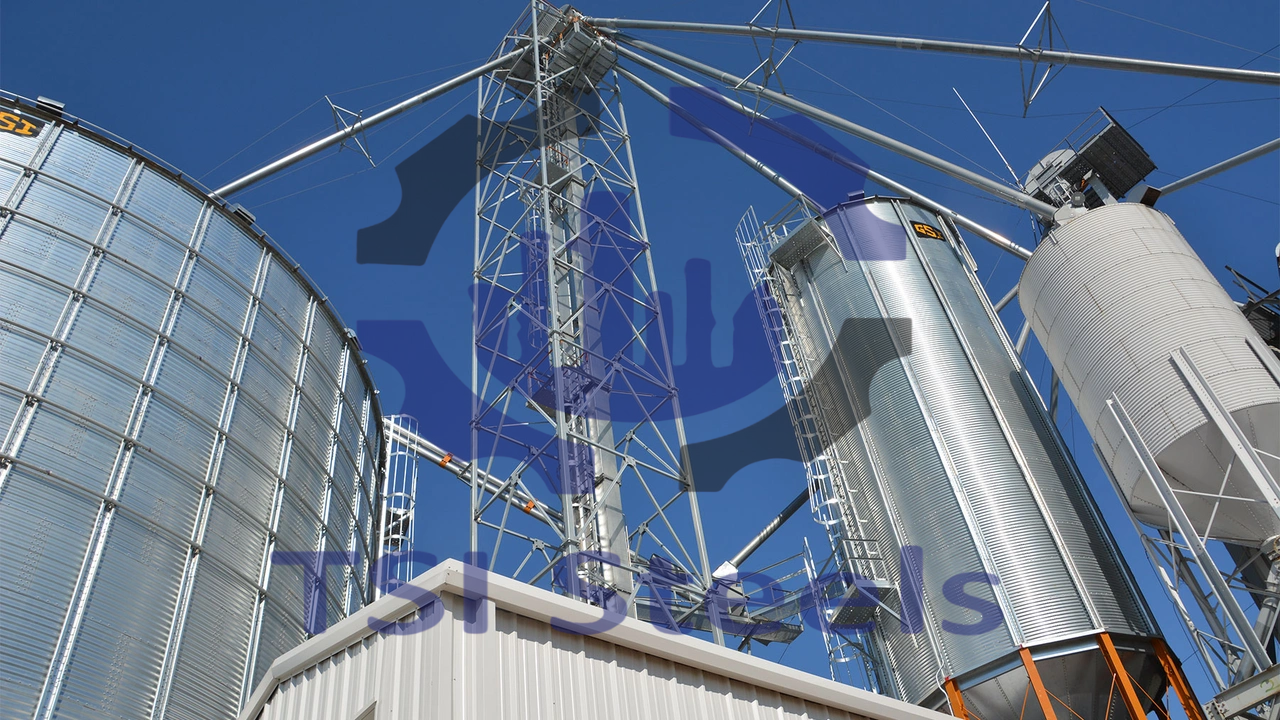
- Automated conveyors
- Bucket elevators
- PLC control systems
Adding automation features increases the total project cost but improves operational performance and grain preservation.
5. Civil Construction and Foundation Work
Silo installation requires strong civil foundations capable of handling heavy grain loads. Soil conditions, site preparation, and foundation design significantly affect construction expenses.
Industrial grain storage facilities may also require:
- Concrete platforms
- Access roads
- Drainage systems
- Electrical infrastructure
- Warehouse integration
Benefits of Investing in Grain Silos
Although the initial investment may seem high, grain silos provide long-term financial and operational benefits.
Reduced Grain Losses
Traditional storage methods often lead to grain damage caused by pests, moisture, rodents, and fungal growth. Grain silos minimize storage losses and improve grain quality.
Better Grain Preservation
Modern silo systems maintain proper temperature and moisture levels, helping preserve grains for longer periods.
Increased Storage Efficiency
Grain silos allow bulk storage with organized grain management and easy loading/unloading systems.
Improved Profitability
Proper storage enables farmers and businesses to store grains safely and sell them when market prices are favorable.
Long Service Life
High-quality grain silos can last for decades with minimal maintenance, making them a cost-effective investment.
Why Choose TSI Steels for Grain Silos?
TSI Steels is known for providing durable, high-performance, and customized grain silo solutions for agricultural and industrial applications. The company focuses on manufacturing premium-quality silos designed for efficient grain storage and long-term reliability.
Key Advantages of TSI Steels Grain Silos
- High-quality galvanized steel construction
- Customized storage capacities
- Advanced grain handling systems
- Strong structural durability
- Efficient installation support
- Low maintenance requirements
- Modern automation options
- Weather-resistant silo designs
We offer complete grain storage solutions suitable for farmers, agro-industries, food processing companies, and commercial grain storage facilities.
How to Reduce Grain Silo Construction Cost
Businesses can reduce grain silo costs by:
- Choosing the right storage capacity
- Selecting cost-effective silo designs
- Using modular silo systems
- Installing energy-efficient automation
- Planning future expansion during initial construction
- Working with experienced silo manufacturers like TSI Steels
Proper project planning helps optimize both installation and operational costs.
Conclusion
The cost of building a grain silo depends on multiple factors including storage capacity, silo design, steel quality, automation systems, and civil construction requirements. While small silos may require a limited investment, large industrial grain storage facilities involve higher project costs due to advanced infrastructure and technology integration.
Investing in a high-quality grain silo is essential for reducing grain wastage, improving storage efficiency, and ensuring long-term agricultural productivity. TSI Steels provides reliable and customized grain silo solutions designed to meet modern grain storage requirements with superior quality, durability, and operational efficiency.