
Grain farming is one of the most important pillars of global agriculture, supplying staple foods such as wheat, rice, maize, barley, and corn to billions of people. The journey of grain from planting in the field to safe storage in the bin involves multiple carefully managed stages. Each step plays a vital role in ensuring quality, yield, and long-term preservation. Understanding this process helps farmers and agribusinesses improve efficiency and reduce post-harvest losses.
Also Read Us: Hopper Bottom Silo vs Flat Bottom Silo: Understand the Difference between these two
Grain Farming Process
1. Land Preparation and Soil Management
The grain farming process begins with preparing the land. Farmers test soil quality to determine nutrient levels and pH balance. Based on the results, fertilizers and organic matter are added to enhance soil fertility. Proper ploughing and leveling improve soil aeration and water retention, creating ideal conditions for seed germination.
2. Seed Selection and Sowing
High-quality seeds are selected based on climate, soil type, and resistance to pests and diseases. Sowing can be done using traditional methods or modern seed drills that ensure uniform depth and spacing. Proper seed placement is crucial for healthy plant growth and optimal yield.
3. Crop Growth and Field Management
Once the seeds germinate, the crop enters its growth phase. During this stage, irrigation, weed control, and pest management are carefully monitored. Modern farming practices often include precision agriculture tools to optimize water usage and fertilizer application. Healthy crop management directly influences grain quality and harvesting efficiency.
4. Harvesting the Grain
Harvesting takes place when the grain reaches full maturity and moisture levels are suitable. Combine harvesters are commonly used to cut, thresh, and clean the grain in one operation. Timely harvesting is essential to prevent losses caused by over-ripening, pests, or unfavorable weather conditions.
Here are the steps you’ll take to harvest your grain:
Harvesting grain requires precision and care, with tools like sickles, scythes, or pruners being used for smaller fields, while larger farms rely on machinery to speed up the process.
Thresh the grain: This is the act of removing the grain from its casing, or chaff, by rubbing it by hand or using a machine called a thresher. You could also flail the grain with a wooden bar or treat it with your feet to thresh the grain.
After harvesting, winnowing is used to separate the precious edible grain from the unwanted chaff. This process is essential for preparing grain for storage or market.
5. Cleaning and Drying
After harvesting, grains contain impurities such as dust, chaff, and broken kernels. Cleaning systems remove these materials to improve quality. Drying is another critical step, as excess moisture can lead to mold growth and spoilage. Grains are dried to safe moisture levels before storage to ensure long-term preservation.
6. Transportation and Handling
Cleaned and dried grains are transported from the fields to storage facilities. Proper handling during transportation helps minimize grain damage and loss. Mechanical conveyors and elevators are commonly used in modern grain handling systems to maintain efficiency and reduce manual labor.
7. Grain Storage: From Short-Term to Long-Term Solutions
Grain storage is one of the most crucial stages in the farming process. Without proper storage, farmers risk significant post-harvest losses due to moisture, pests, and temperature fluctuations. This is where high-quality storage infrastructure becomes essential.
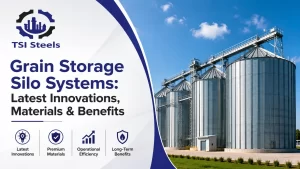
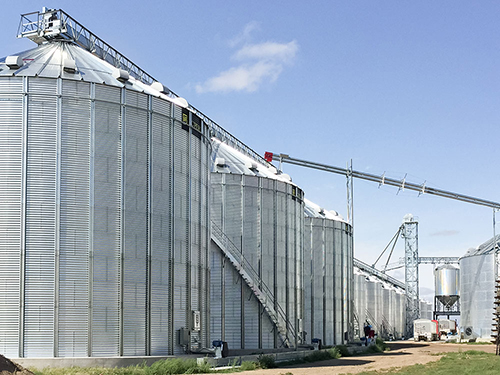
TSI Steel, a leading grain silo and zinc aluminium tank manufacturer, provides advanced storage solutions designed to protect grain quality for extended periods. Their grain silos are engineered using durable zinc aluminium-coated steel, offering excellent corrosion resistance, strength, and long service life. These silos help maintain optimal storage conditions by controlling moisture and temperature, ensuring the grain remains safe until it reaches the market.
8. Importance of Modern Grain Silos
Modern grain silos play a vital role in reducing food waste and stabilizing grain supply chains. Compared to traditional storage methods, steel silos offer better protection against rodents, insects, and environmental damage. With customizable capacities and advanced aeration systems, silos manufactured by TSI Steel support efficient grain management for farmers, cooperatives, and large agribusinesses.
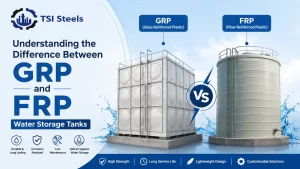
Zinc aluminium tanks provided by we are also widely used in agricultural applications, including water storage and liquid handling, further supporting sustainable farming operations.
9. From Storage to Distribution
Once stored safely, grain can be held until market demand or transported for processing into flour, animal feed, or other food products. Efficient storage enables farmers to sell at the right time, improving profitability and reducing dependence on immediate market conditions.
6. Planning for Next Year’s Season
After the harvest is stored, farmers begin planning for the next season. They assess the previous season’s performance, review soil conditions, and determine the crop mix for the following year. This process involves updating equipment, revisiting crop rotation plans, and purchasing necessary supplies, including fertilizers, seeds, and pesticides.
Having a visualization of your field and the crops within can help you reach your goals for the season. You can then use that spreadsheet to make sure your plan for the new season provides the proper crop variation.
Alternating root systems and picking crops that won’t hinder next year’s crops are both important practices for ensuring a healthy yield. You’ll want to vary where you plant your crops so the soil can keep its nutrients and maintain a proper underground structure.
Why Choose TSI Steels
TSI Steels is a trusted provider of high-quality grain storage silos, offering durable, reliable, and cost-effective solutions tailored to meet the diverse needs of farmers worldwide. With a focus on longevity, TSI Steels’ silos are constructed using premium materials that can withstand harsh weather conditions, heavy use, and other challenging environments. Our high-quality storage bins installed by our expert team — many of whom are farmers themselves — can help keep your grain safe and fresh until it’s time to be sold on the market. We stand behind our work and offer continuing services for every project we’re involved with. Moreover, TSI Steels provides customizable silo designs, allowing farmers to select the right size and capacity for their operations, whether small or large-scale. Farmers trust TSI Steels not only for high-performance storage solutions but also for exceptional customer support and service, making it a reliable choice for those looking to protect their grain and improve storage efficiency.
Conclusion
The grain farming process—from the field to the bin—is a carefully coordinated journey that requires precision, technology, and reliable infrastructure. Each stage, from soil preparation to harvesting and storage, plays a critical role in preserving grain quality and minimizing losses.
With advanced storage solutions from TSI Steel, a trusted grain silo and zinc aluminium tank manufacturer, farmers and agribusinesses can ensure safe, efficient, and long-term grain storage. Investing in modern grain handling and storage systems is not just about protecting harvests—it’s about strengthening food security and supporting sustainable agriculture for the future.