
What is a Silo? and What is a Grain Silo? Types, Uses and Benefits
Grain storage plays essential role in agriculture, food processing, and supply chain management. Whether it is wheat, rice, corn, barley, or other agricultural products, proper storage is essential to maintain quality and reduce post-harvest losses. This is where silos become an important part of modern farming and industrial operations.
For agriculture and industrial sectors, storage systems play a crucial role in maintaining the quality, safety, and availability of materials. One of the most efficient storage solutions used worldwide is a silo.
What is Silo? (Silo Meaning)
silo is a large storage structure specifically designed to hold bulk materials safely and efficiently. These materials may include grains, cement, coal, wood pellets, sand, minerals, chemicals, and animal feed.
Silos are engineered to protect stored products from moisture, pests, contamination, and weather conditions while allowing controlled loading and unloading.
The word “silo” originally referred to structures used for storing fermented livestock feed (silage), but today it describes various industrial and agricultural storage systems.
What is Grain Silo? (Meaning of Grain Silo)
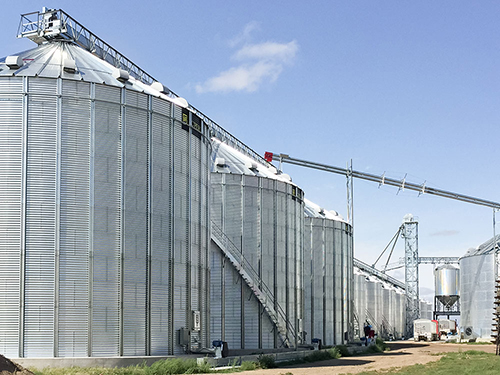
Grain silo is a specially designed storage structure used to store harvested grains such as wheat, rice, maize, barley, soybeans, millet, and other agricultural products. Grain silos help maintain the quality and freshness of grains by protecting them from moisture, insects, rodents, fungi, and unfavorable weather conditions.
Grain silos are widely used by farmers, grain traders, food processing companies, and agricultural cooperatives. They provide a safe and efficient storage solution that reduces post-harvest losses and improves inventory management.
A grain silo is a large storage container specifically designed for the safe storage, preservation, and management of agricultural grains and seeds.
Why are Grain Silos Important?
After harvesting, grains need proper storage to prevent spoilage and quality deterioration. Traditional storage methods often expose grains to moisture, pests, and contamination, leading to significant losses.
Grain silos solve these problems by providing:
- Protection against moisture
- Pest and rodent control
- Improved grain quality preservation
- Reduced post-harvest losses
- Better inventory management
- Long-term storage capability
- Easier loading and unloading
Because of these benefits, grain silos have become an essential part of modern agriculture.
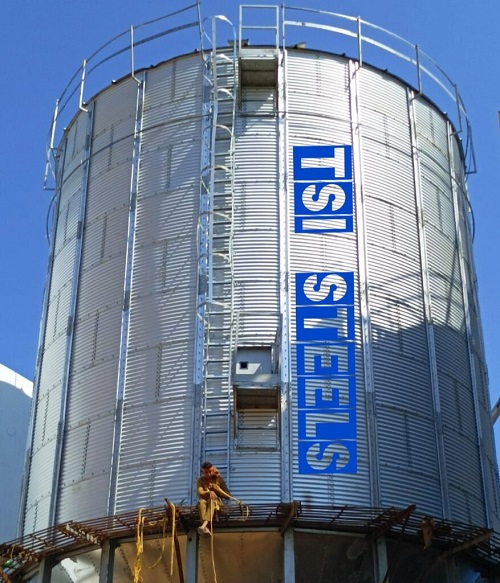
Silo Definition in Grain Storage (Define Silo)
A silo is a specialized storage container used to store large quantities of bulk materials such as grains, seeds, cement, feed, and other products while protecting them from external environmental conditions.
Silo Full Form
Many people search for the full form of silo. Technically, SILO is not an acronym, and therefore it does not have an officially recognized full form. The word “silo” originates from the Greek word “siros,” which means a pit or container used for storing grain.
However, in industrial discussions, some people informally describe SILO as: Storage Infrastructure for Large Operations
This is not an official full form but is sometimes used for understanding its purpose.
What Is a Silo Used For?
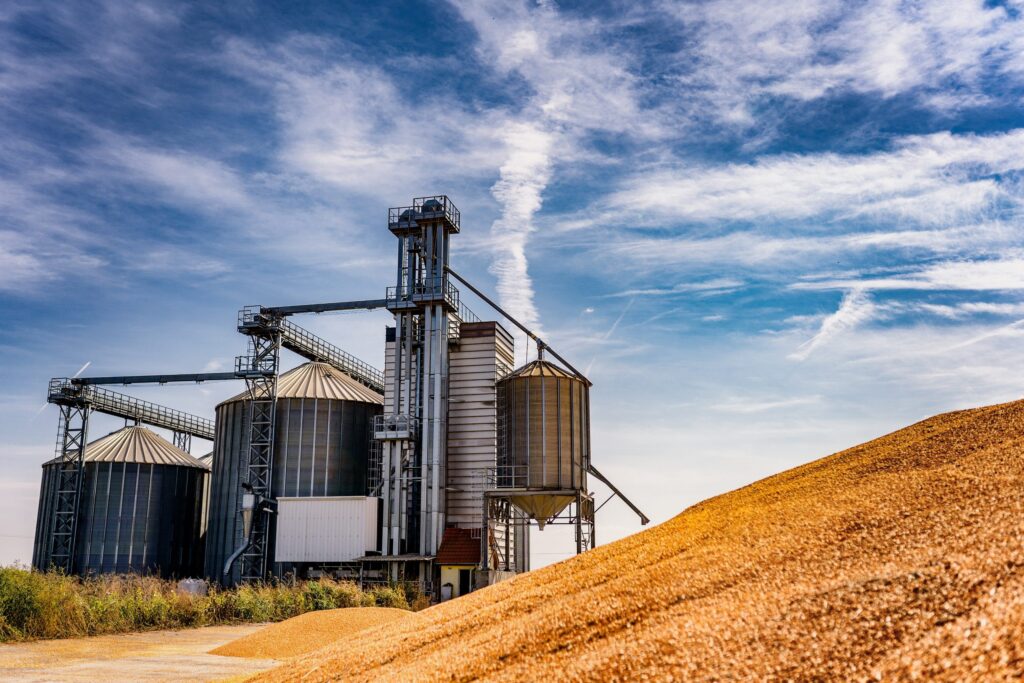
A silo is used to safely store large quantities of bulk materials while protecting them from moisture, pests, contamination, and harsh weather conditions. Silos are commonly used in agriculture, food processing, manufacturing, and industrial facilities to preserve the quality of stored materials and ensure efficient inventory management.
The most common use of a silo is for storing grains such as wheat, rice, maize, barley, and soybeans after harvest. However, silos are also widely used to store animal feed, cement, fly ash, biomass, fertilizers, and other bulk materials. By providing a controlled storage environment, silos help reduce product loss, maintain freshness, and simplify loading and unloading operations.
Silo in Agriculture
For agricultural requirements, silos provide an effective storage solution. A silo in agriculture is a storage structure used to preserve harvested crops such as wheat, rice, maize, barley, and other grains. It protects the stored produce from moisture, pests, rodents, and changing weather conditions, helping maintain its quality for longer periods.
Agricultural silos also improve storage efficiency, reduce post-harvest losses, and ensure a steady supply of grains throughout the year. TSI Steels manufactures durable, high-capacity agricultural silos that provide reliable, long-term storage solutions for farms, grain processing units, and agribusinesses.
Enquiry Now
Recent Posts
- DM Water Tank: Importance, Uses and Role in DM Water Plant Process
- Overhead Water Storage Tank: Uses, Benefits, Maintenance & Cleaning Guide
- Understanding the Difference Between GRP and FRP Water Storage Tanks
- Grain Storage Silo Systems: Latest Innovations, Materials & Benefits
- How Safe Are Galvanized Steel Water Tanks for Drinking Water?

Benefits of Grain Storage Silos
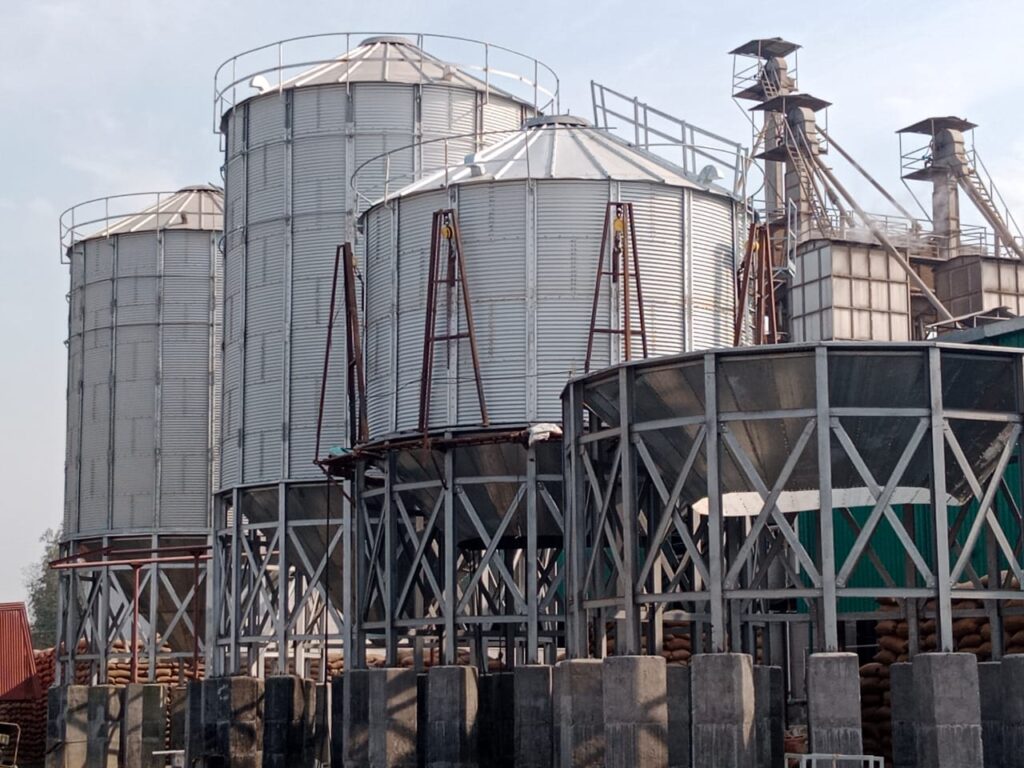
Protection from Moisture and Pests: Grain silos protect agricultural products from rainwater, insects, rodents, and fungal contamination.
Reduced Post-Harvest Loss: Proper storage systems help reduce grain spoilage and maintain nutritional quality for longer durations.
Efficient Bulk Storage: Grain silos allow large quantities of grains to be stored in a compact and organized manner.
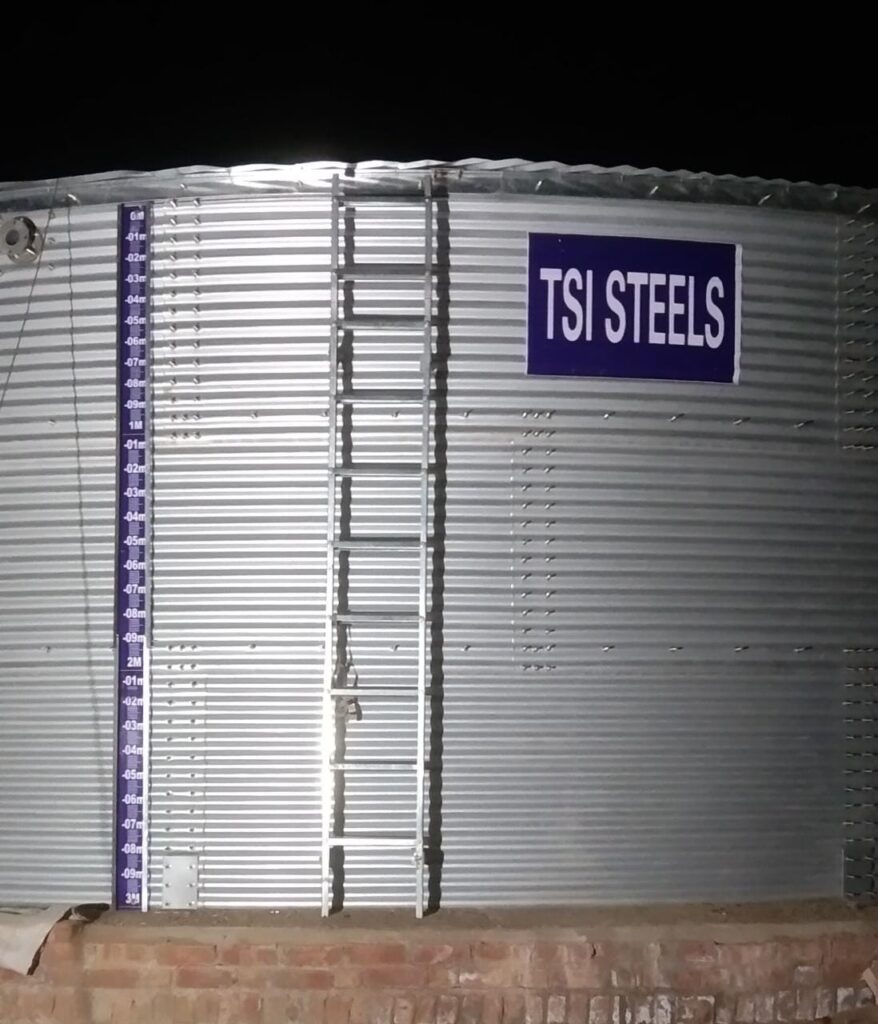
Better Grain Management: Modern silo systems include automation and monitoring features for temperature control and airflow management.
Long-Term Durability: High-quality steel grain silos are designed to withstand harsh weather conditions and heavy storage loads.
Applications of Grain Silos
Grain silos are widely used in:
- Agriculture and farming industries
- Rice mills and flour mills
- Food processing plants
- Grain trading and export facilities
- Feed manufacturing industries
- Warehousing and bulk storage facilities
Types of Silos
- Grain Silos – Used for storing wheat, rice, maize, and other grains.
- Cement Silos – Used in construction for storing cement and fly ash.
- Feed Silos – Designed for storing animal feed.
- Chemical Silos – Used for storing industrial chemicals and powders.
- Biomass Silos – Used for storing wood pellets and biomass fuel.
- Coal Silos – Used in power plants and industrial facilities for coal storage.
Advantages of Silos
- Protects Materials from moisture, pests, and contamination.
- Reduces Storage Losses and spoilage.
- Maintains Product Quality for longer periods.
- Maximizes Storage Capacity with vertical design.
- Easy Loading and Unloading through automated systems.
- Improves Inventory Management and material handling.
- Cost-Effective Storage Solution for bulk materials.
- Suitable for Long-Term Storage of grains and other products.
TSI Steels – Leading Grain Silo Manufacturer
TSI Steels is recognized as a leading manufacturer of high-quality grain storage silos designed for modern agricultural and industrial applications. The company offers durable and reliable silo solutions with advanced engineering, superior steel quality, and customized storage capacities to meet diverse client requirements.
We provide a wide range of grain storage silos suitable for wheat, rice, maize, corn, and other agricultural products. Our silo systems are manufactured using high-grade materials and modern technology to ensure strength, weather resistance, and long-term performance.
With a strong focus on quality, innovation, and customer satisfaction, TSI Steels delivers efficient grain storage solutions for farmers, food industries, and bulk storage facilities across various sectors.
Future of Grain Silo Storage
As global food demand continues to grow, efficient grain storage solutions are becoming increasingly important. Modern grain silos are integrating advanced technologies such as:
- IoT-based monitoring systems
- Smart sensors
- Automated inventory tracking
- AI-powered storage management
- Remote monitoring applications
These innovations help improve grain quality, reduce storage losses, and enhance operational efficiency. Grain silos provide reliable and efficient storage and material handling solutions for agricultural sectors, while industrial silos support the safe storage and management of bulk materials across various industries.
Conclusion
Today’s modern farming and industrial operations rely heavily on silos for efficient bulk material storage, protection, and management.
Understanding the silo meaning, grain silo meaning, and the purpose of grain storage systems helps farmers and businesses make informed storage decisions.
With benefits such as improved grain protection, reduced losses, efficient space utilization, and long-term storage capabilities, grain silos have become a cornerstone of modern agricultural infrastructure. As storage technology continues to advance, grain silos will remain vital for ensuring food security and supporting the growing demands of the agricultural sector.
Recent Comments